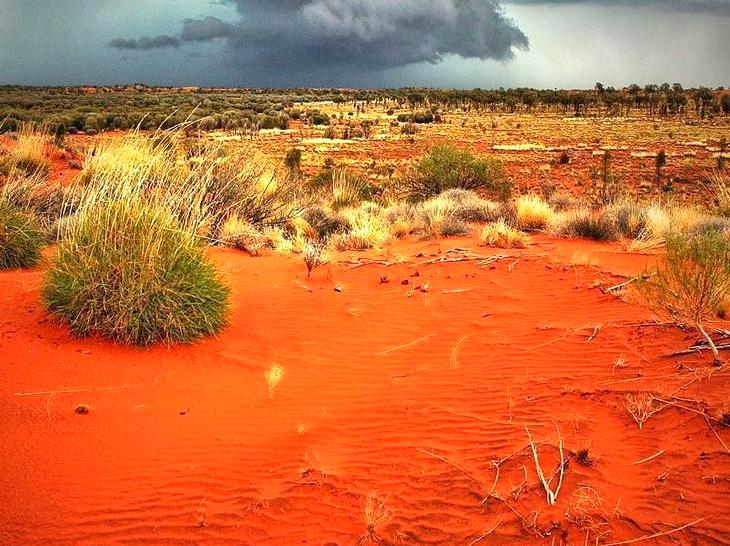
Kakadu National Park, one of Australia’s most famous national parks, covers nearly 20,000 square kilometres and is a UNESCO World Heritage site. It’s a land of stunning landscapes, rich cultural significance and incredible stories passed down through generations. But is this ancient landscape man-made? No, Kakadu is not man made. It’s a natural environment shaped over millions of years by geological forces, natural weather patterns and importantly the sustainable land practices of the Traditional Custodians: the Bininj/Mungguy people.
Contents
A Natural Masterpiece
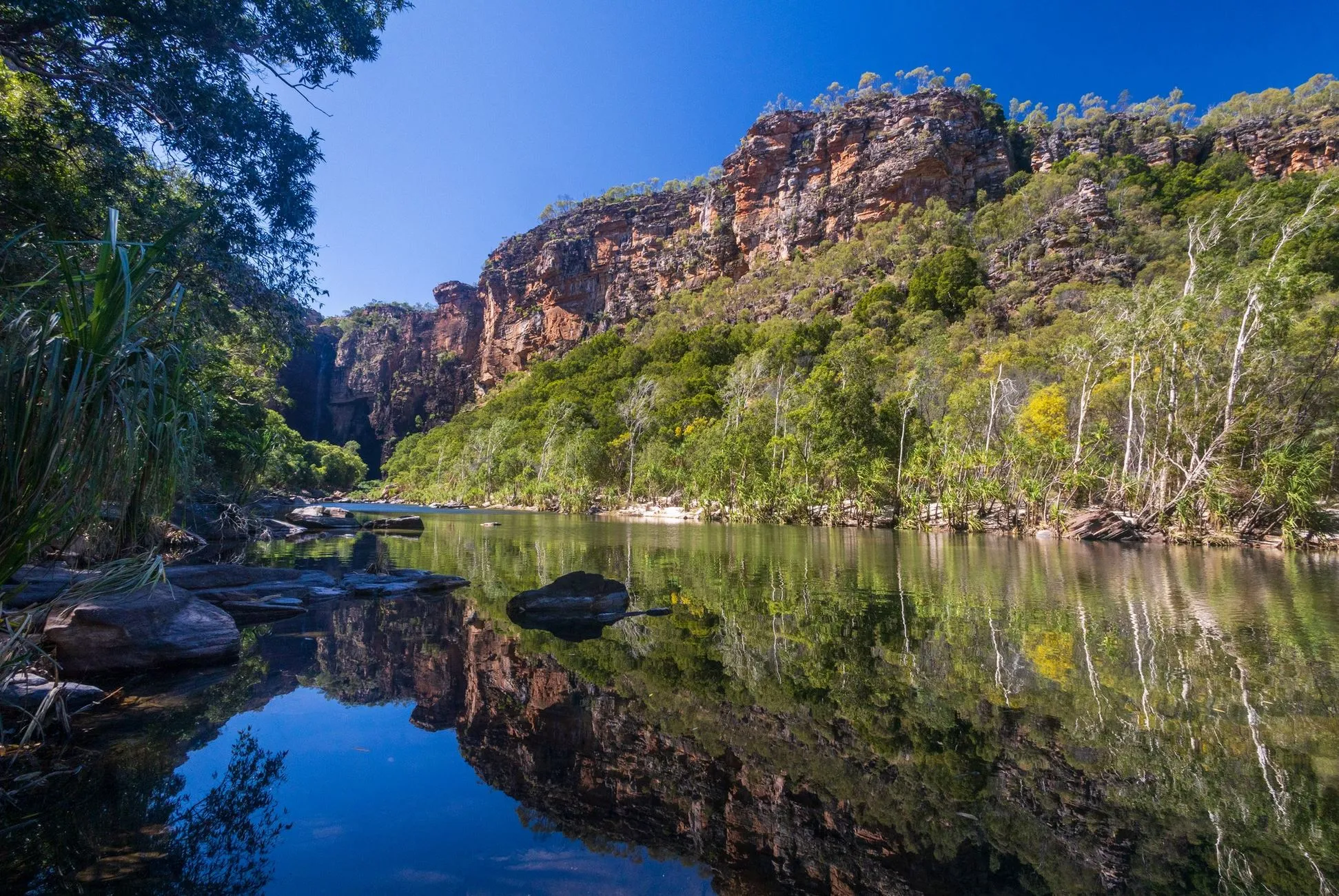
Kakadu’s deep gorges, escarpments, moist gorges, river beds and vast floodplains have been carved out by natural processes such as tectonic activity, erosion and sedimentation. The park’s features are dynamic especially with the extreme contrast between the wet season and dry season. In the wet season the park becomes a lush oasis with overflowing river banks, cascades and widespread wetlands that attract birds and freshwater fish.
This ever-changing scenery creates a wide range of habitats that support exceptional species diversity. From endemic plants to migratory birds and unique saltwater crocodiles, Kakadu’s biodiversity is one of the highest in Australia. Each habitat plays a role in the region’s natural history and has sustained a delicate ecological balance for thousands of years.
Quick Facts: Natural Wonders of Kakadu
To get a sense of the many ecological attractions of Kakadu here’s a quick summary:
| Feature | Description |
|---|---|
| Area | Nearly 20,000 square kilometres |
| Key Seasons | Wet Season (Nov–Apr), Dry Season (May–Oct) |
| Biodiversity | Over 280 bird species, 10,000 insect species, 117 reptiles, 60 mammals |
| Iconic Wildlife | Saltwater crocodiles, wallabies, migratory birds, and freshwater fish species |
| Rock Art Sites | More than 5,000 Aboriginal rock art sites across rock shelters |
| Cultural Custodians | Bininj/Mungguy people |
| UNESCO Status | Dual-listed for natural and cultural heritage |
Cultural Landscapes Shaped by Indigenous People
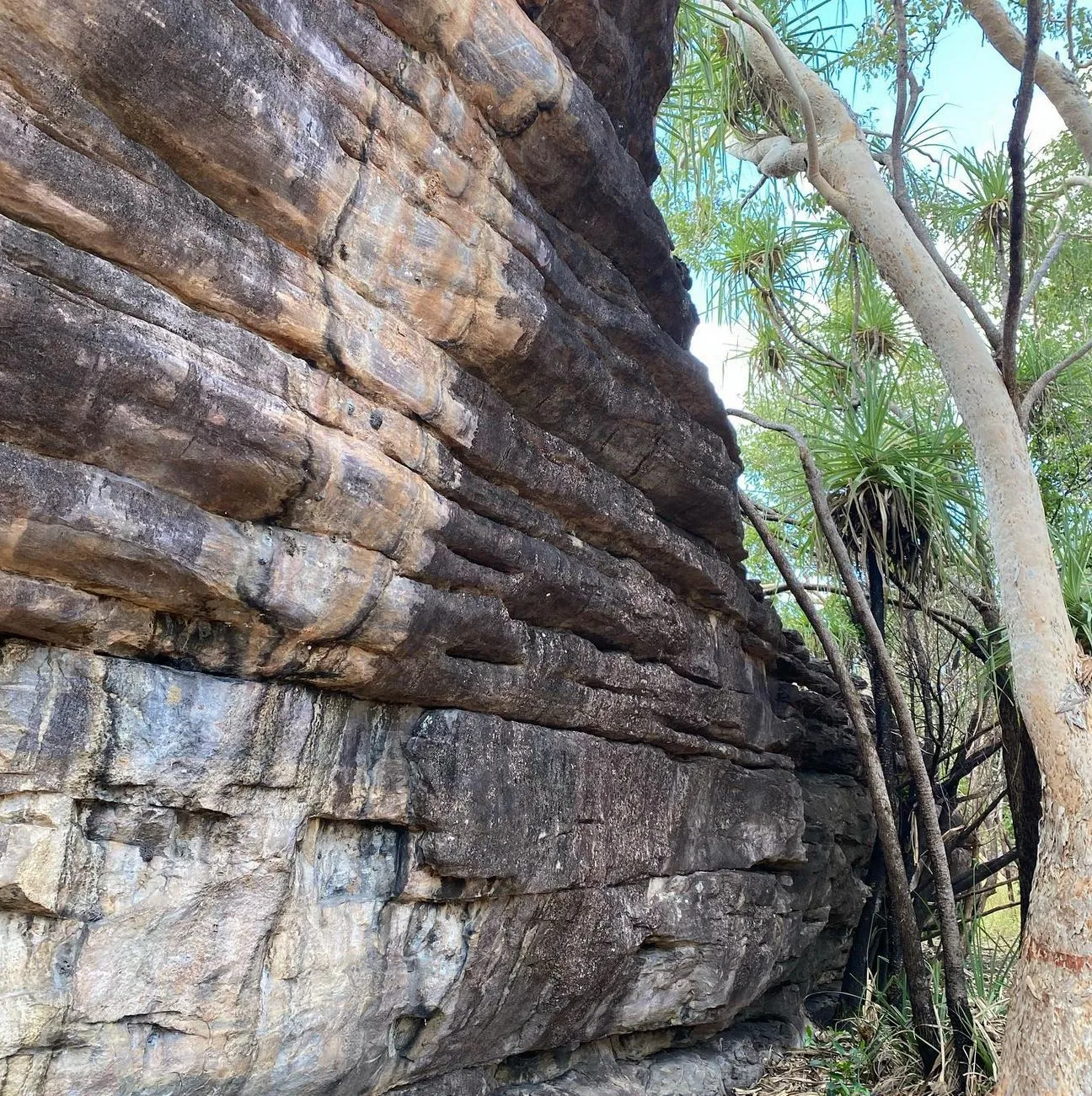
Kakadu isn’t man-made but Indigenous people have had a big impact on the place. The Bininj/Mungguy people have been here for over 65,000 years. Through deep ecological knowledge and practices like cultural burning, seasonal harvesting and careful management of sacred sites they have shaped the natural landscapes into cultural landscapes.
You can see this in the maintenance of plant species diversity, protection of species used for food and medicine and strategic control of invasive grasses and weeds. They have ensured the survival of both ecosystems and cultural values across generations.
Rock Art and Rock Shelters
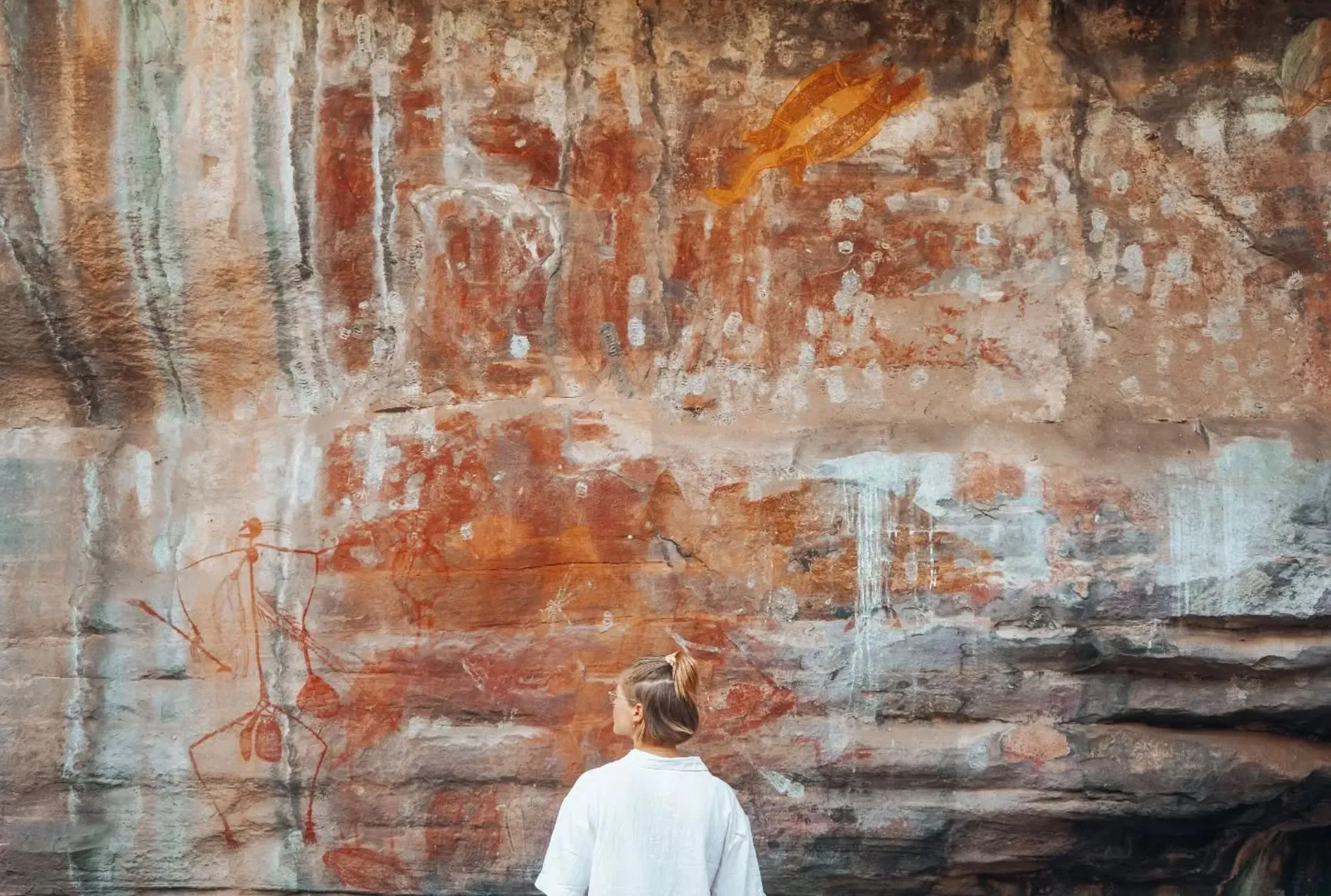
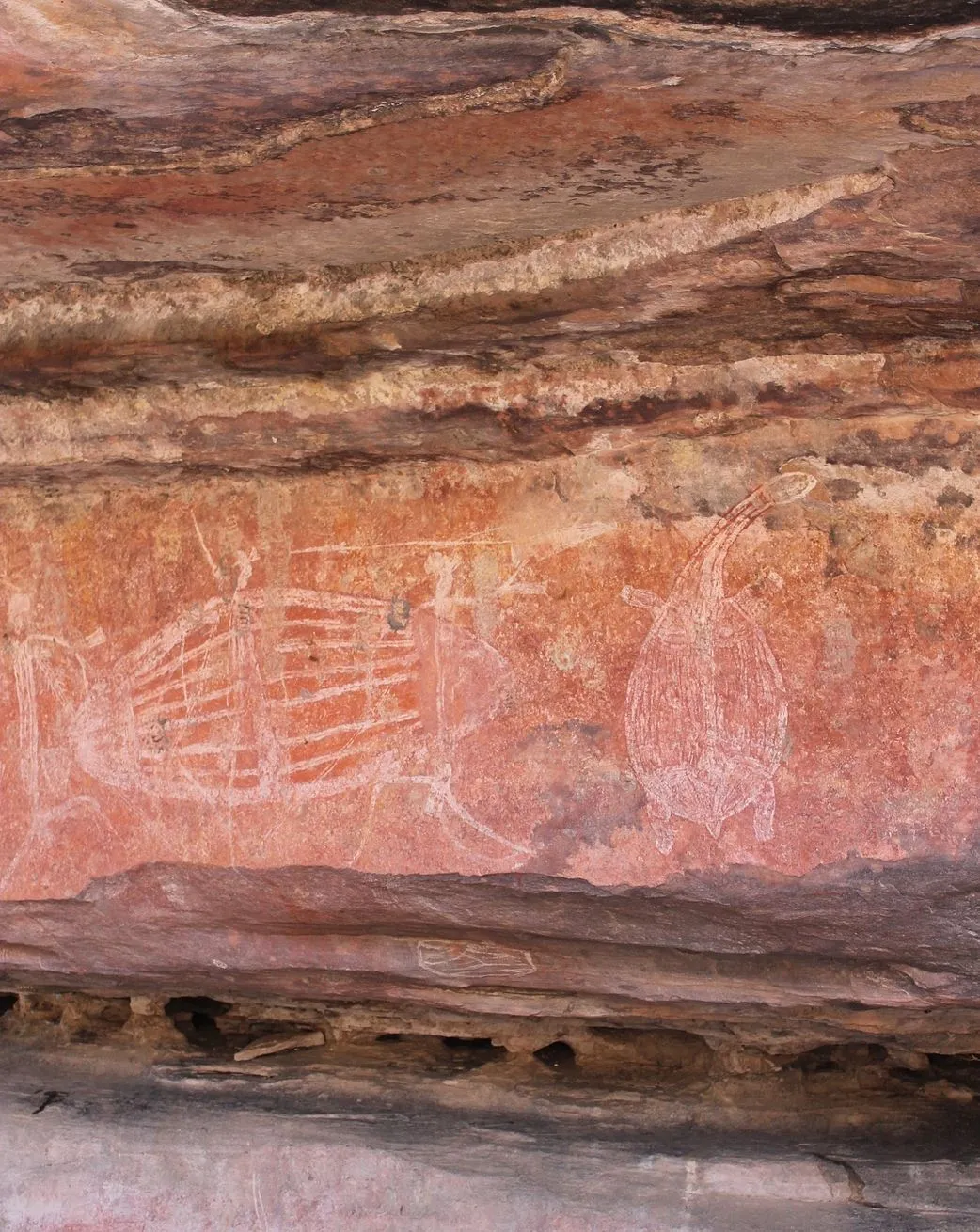
Kakadu has some of the oldest and most significant Aboriginal art sites in the world. The rock art etched into stone walls in ancient rock shelters depicts hunting scenes, spiritual stories and creation myths. It’s not just beautiful, it also tells stories and incredible stories that connect people to place.
The art, sacred sites and surrounding areas are all significant. They offer an immersive way to understand the worldview of the Traditional Custodians and the power of cultural immersion. Interpretive signage and guidance from park rangers allow you to respectfully engage with these areas and appreciate their spiritual and historical depth.
Traditional Custodians and Park Rangers
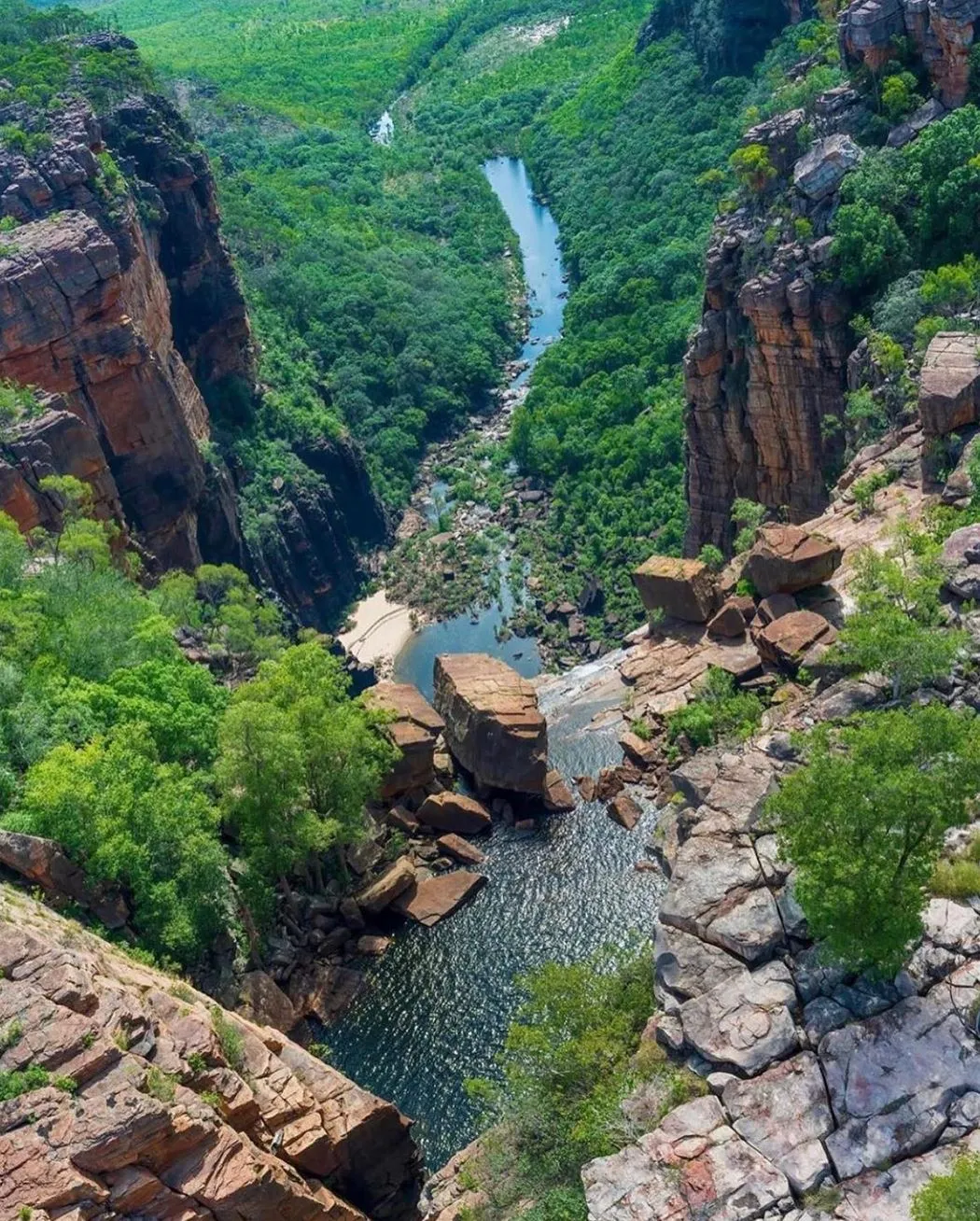
Today Kakadu is co-managed by Parks Australia and the Traditional Custodians. Park rangers, Indigenous and non-Aboriginal, work together to preserve the park’s ecological and cultural integrity. This collaborative approach helps address modern threats like climate change and invasive species while upholding the wisdom and practices of generations past.
You’ll see this in their management of lightning strikes during the dry season, monitoring of saltwater crocodiles near river banks and protection of species diversity through traditional fire management. They ensure Kakadu remains a living landscape, always evolving but always rooted in cultural and ecological sustainability.
A Paradise for Nature and Culture Lovers
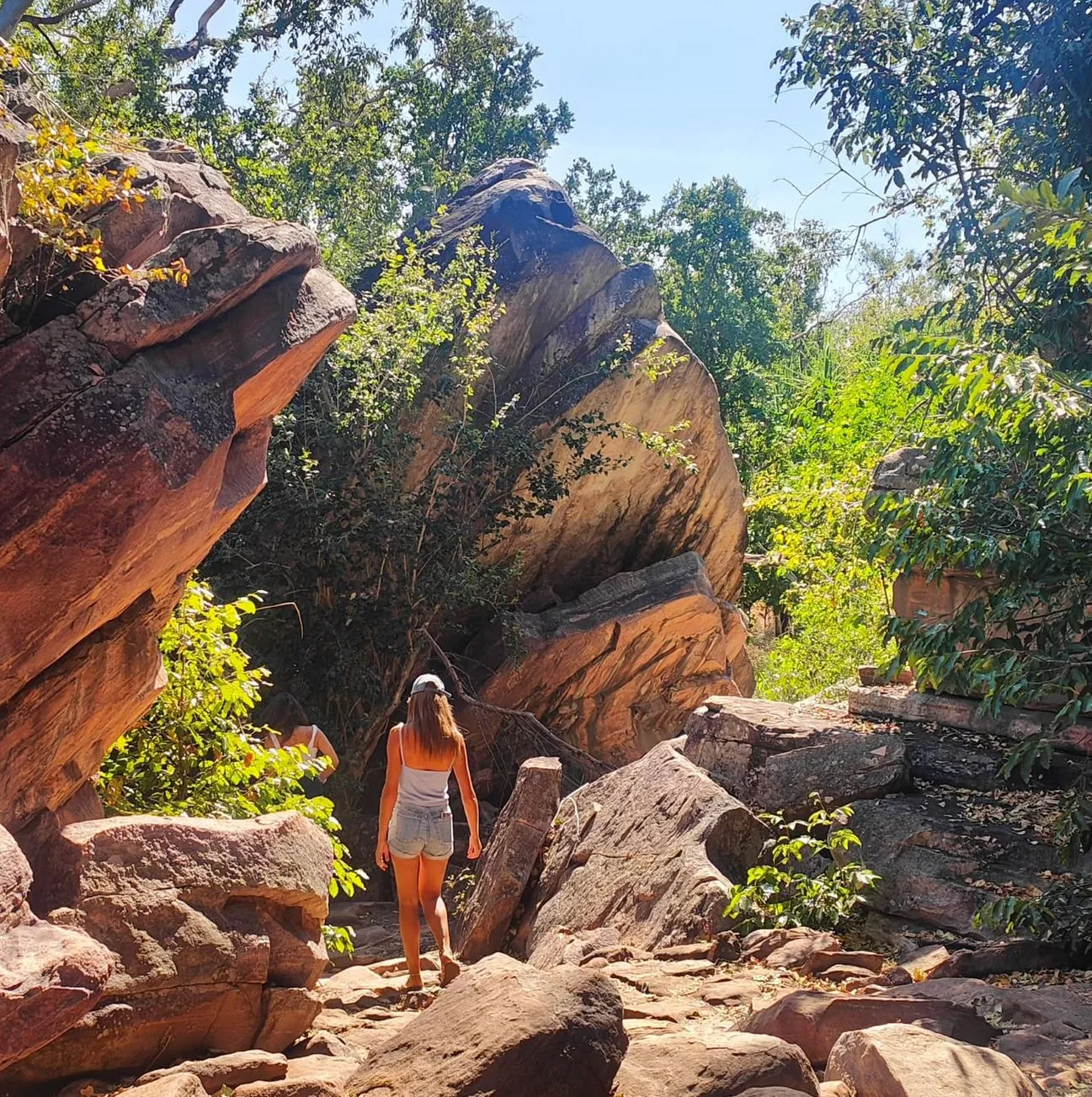
Exploring Kakadu is more than sightseeing – it’s a journey through time and tradition. The park has accommodation options for all budgets from campsites to luxury eco-lodges. Wildlife Tours, one of the most trusted tour operators in the region, offers expert guided trips to help you explore hidden rock shelters, see Aboriginal art sites and take a swim in a natural pool. Many visitors book 3 day Kakadu tours from Darwin to get the full Kakadu experience – the vast landscapes, cultural sites and wildlife. These multi-day trips give you time to see the natural wonders, meet the Traditional Custodians and go deeper into the park.
From a scenic flight over the Arnhem Land escarpment to guided walks that explain the meaning of rock art, every experience reveals the layers of history. Cultural sites tell of resilience and deep connection, the natural landscapes of an ancient world untouched by human development.
Biodiversity Hotspot
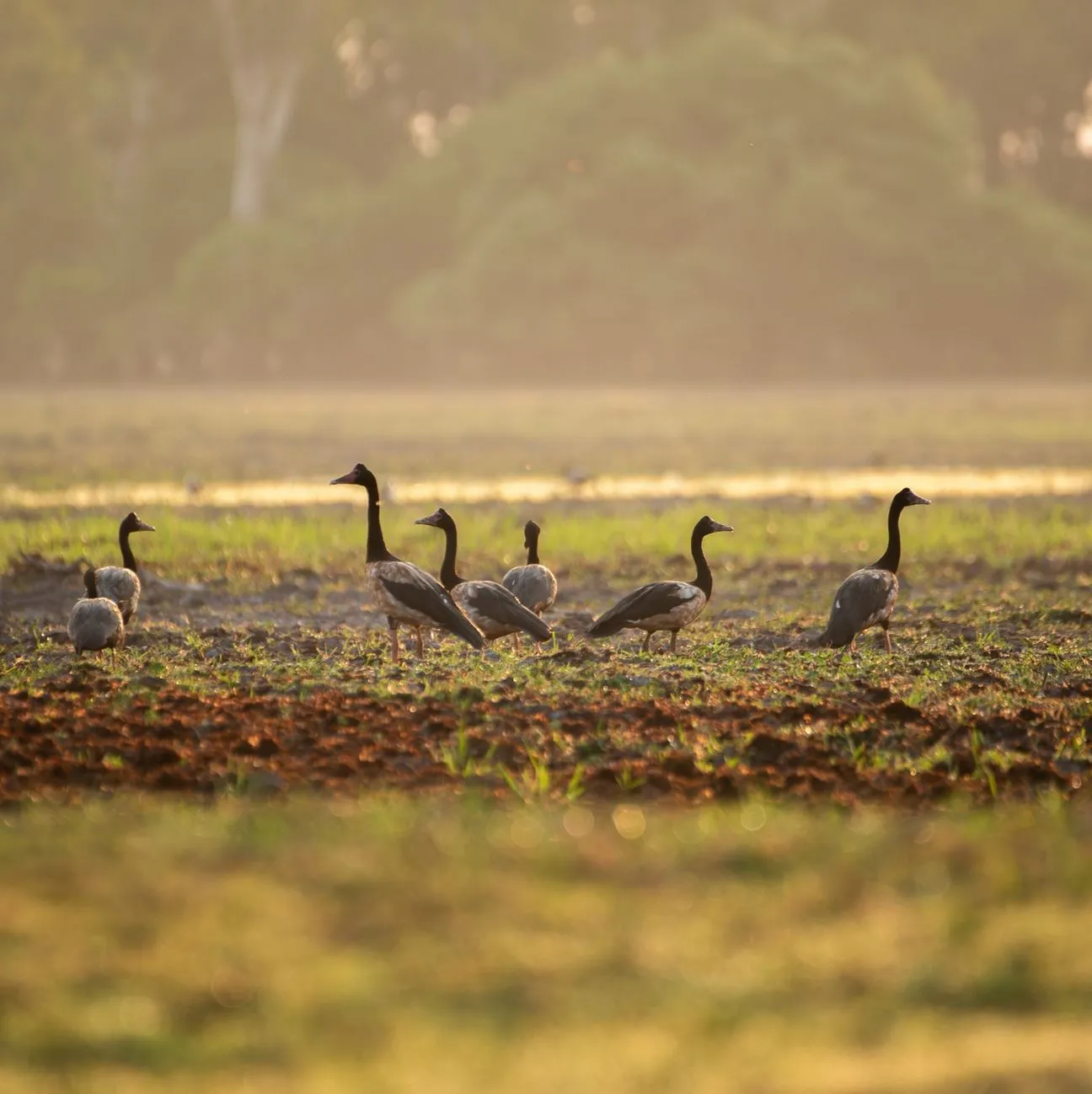
Kakadu’s value is in its combination of ecological wonder and cultural preservation. It’s a place where endemic species thrive alongside sacred sites, where river beds hold stories and where every element – from birds overhead to plants below – plays a part in the bigger picture. Its biodiversity is a global treasure, and its cultural stories are humanity’s heritage.
Conclusion
So to answer the original question: no, Kakadu is not a man-made landscape. It’s an old land shaped by natural forces and protected by generations of Traditional Custodians. Its beauty, biodiversity and cultural depth make it one of the most unique and meaningful national parks in the world.
Visiting Kakadu means walking through a land that breathes history, spirit and life. It’s a place to learn, reflect and connect – not just with nature but with the very roots of human existence.
FAQ
Is Kakadu National Park man-made?
No, Kakadu is a natural landscape shaped by geological forces and Indigenous land management not human construction.
Who are the Traditional Owners of Kakadu?
The Bininj/Mungguy people are the Traditional Custodians of Kakadu, with deep cultural ties and responsibility to care for the land.
What is cultural burning in Kakadu?
Cultural burning is a traditional practice of controlled, seasonal fires to support species diversity, reduce fire risk and protect cultural sites.
What makes Kakadu a UNESCO World Heritage Site?
Kakadu is listed for its natural landscapes, biodiversity and cultural heritage and Aboriginal art sites.
When is the best time to visit Kakadu?
Dry season (May to October) is most popular due to easier access and good weather but wet season offers lush scenery and plenty of water.