When to Look vs. When to Shoot on the Great Ocean Road is the difference between a seaside drive that sticks with you long after it’s over and one that leaves you with a memory card full of photos. Down the Shipwreck Coast from Airey’s Inlet all the way to Apollo Bay, Port Campbell and Port Fairy, there’s this overwhelming temptation to take a snap of every rock formation and sea stack you see. But in reality, the smarter thing to do is figure out which shoot locations are worth taking the camera out for, and when it’s better to slow down, catch your breath, and just drink in the Southern Ocean.
I’m Paul Beames, and after years of driving this road, I’ve learned that frantically chasing every sea stack and rock formation just ends up meaning you miss out on the rhythm that makes this coast so special. That’s why you see operators like Wildlife Tours Australia run 2-day Great Ocean Road trips – enough time to capture all the must-see sights without having to rush past the moments that deserve a bit of time to take in.
Contents
- 1 Why This Road Rewards Camera Restraint
- 2 Iconic Coastal Stops Worth Slowing For
- 3 Detours That Shift You From Scanning To Focusing In
- 4 When Even Great Light Isn’t the Point
- 5 Weather, Access, And Safety Reality Checks
- 6 Beyond The Coast: Linking It All Together
- 7 My Rule After Years On The Road
- 8 The Takeaway
- 9 FAQ
Why This Road Rewards Camera Restraint
The Great Ocean Road isn’t a short drive, it isn’t straight, and it certainly isn’t forgiving. The tight bends near Bells Beach and Airey’s Inlet, the unpredictable weather, and the traffic jams you hit around the Twelve Apostles and London Bridge all conspire to irritate anyone who treats the drive as a photo marathon.
Knowing when to pull over and get the camera out for a long exposure, and when to keep driving, is what separates the relaxed traveller from the frazzled one.
Iconic Coastal Stops Worth Slowing For
There are landmarks that deserve more than a hasty photo op. These are the places where light is good, access is easy, and the scale is just right – and where getting the settings right really pays off.
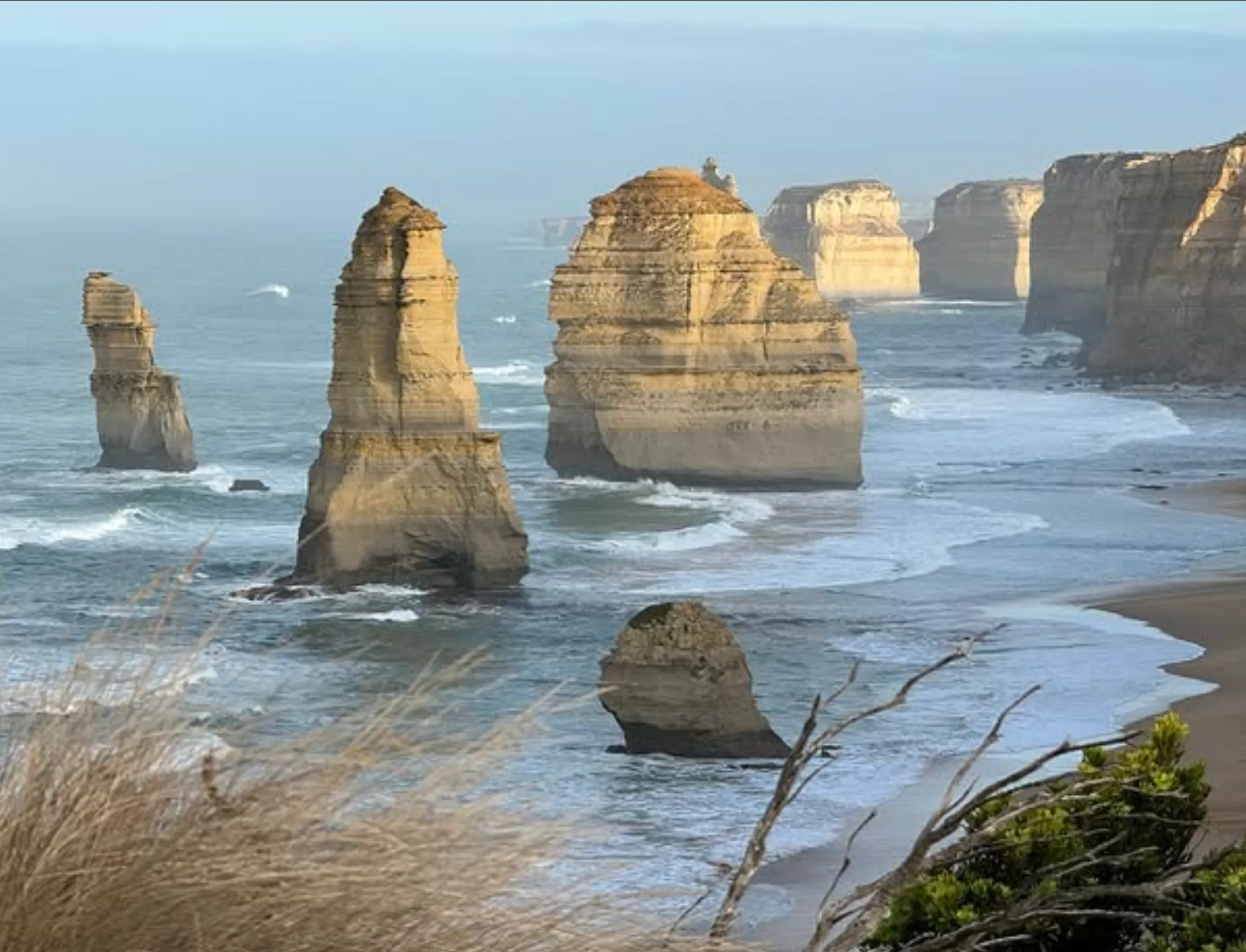
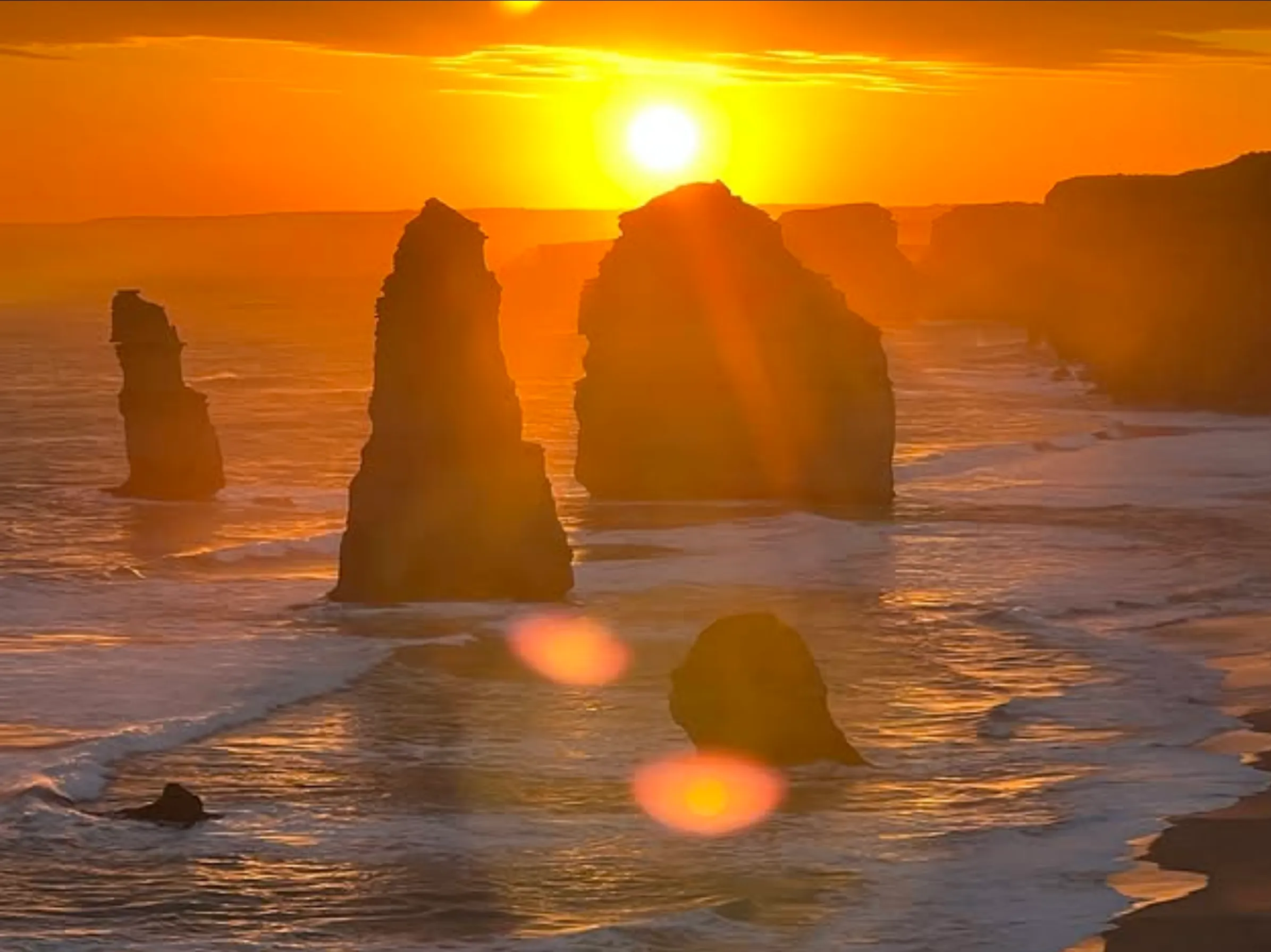
Twelve Apostles And Gibson Steps: All About Getting The Timing Right
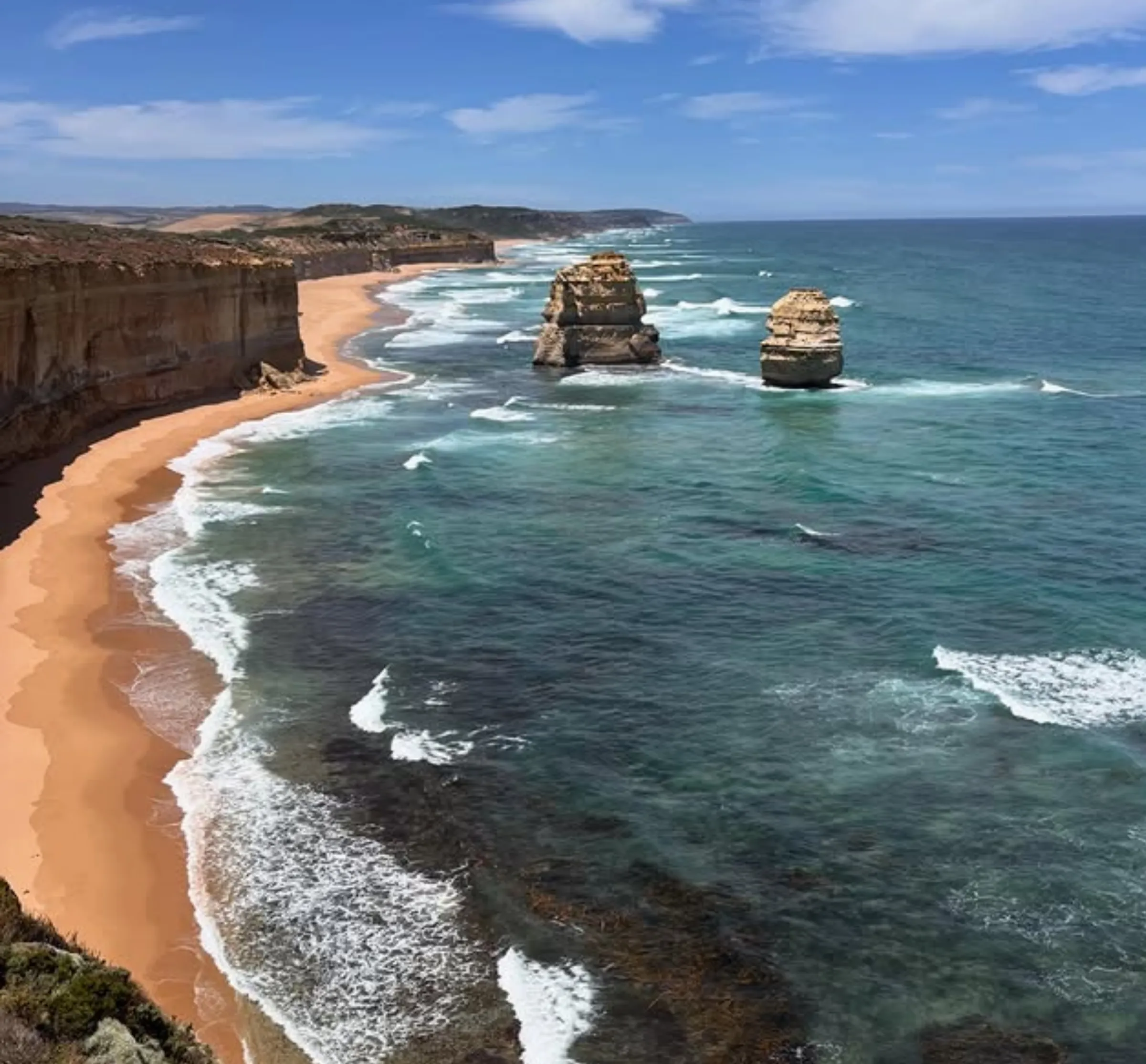
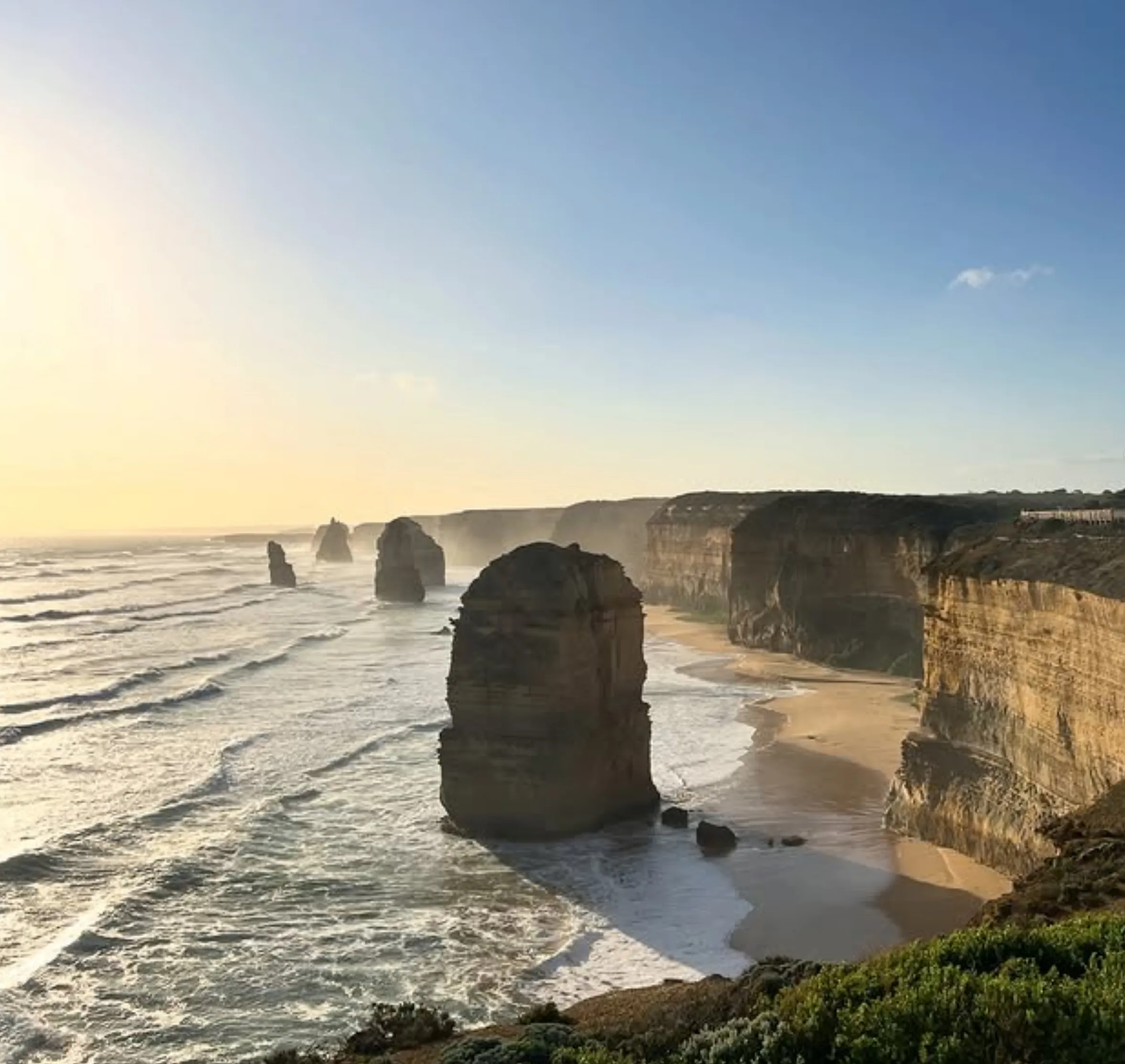
For the Twelve Apostles, it’s all about perspective. When you’re up at the lookout, you can get some really nice portrait-format shots by playing with height, and when the conditions are right, you can use a long exposure to smooth out the surf. Gibson Steps adds a bit of human scale at low tide, especially when the cliffs frame walkers below.
Get there early; you’ll get caught up in the midday crowds and glare, which ruins the whole experience. I’ve seen this myself while working with guides from Wildlife Tours Australia, and the way they time their trips so the 2-day itinerary coincides with early light rather than peak tourist hours is brilliant.
Loch Ard Gorge And The London Bridge Arch
Loch Ard Gorge is one of those places that rewards patience. When the light is soft, the cliffs really come alive, and you can start to see all the textures and history of the Shipwreck Coast. Next door, the London Bridge Arch does its thing best when the swell is moderate, which means you get clean lines in the waves without all the whitewater chaos.
If you need to comply with an access restriction, please do. These cliffs are pretty temperamental.
Bay Of Islands, Gog And Magog, And Moonlight Head
The Bay of Islands is one of those places that surprises people who just rush past. It’s a bit more off the beaten track, which means fewer people to contend with, and some really dramatic sea stacks like Gog and Magog. And Moonlight Head – well, that’s just a great spot to get out and capture some raw exposure in the Southern Ocean, especially if you get lucky and the clouds break late.
Detours That Shift You From Scanning To Focusing In
The coast gets all the attention, but inland stops give you a change of pace and shift your perspective. That’s exactly why a 2-day format for an ocean road tour works so well – and something that Wildlife Tours Australia has got spot on by mixing up coastal icons with forest strolls.
Waterfalls And Forests Of The Otways
Erskine Falls, Hopetoun Falls, Marriner’s Falls, and Phantom Falls all come alive in the dappled shade. There, using your ND filters to control exposure lets you capture a silky-smooth river without losing highlights in the sun. And the eucalyptus forests and little pockets of California redwoods – like the Redwood Forest by Beech Forest – offer up lines upon lines of vertical goodness that are just perfect for portrait shots.
Cape Otway & Wreck Beach
Out around Cape Otway, the coast feels darker and quieter, like the weight of the ocean is bearing down on you. Wreck Beach is a tough slog to get to, but if you do the legwork, you’re rewarded with the isolation and those gnarly rock formations. Just don’t forget to keep your gear secure – that wind will rip the gear right out of your hands.
When Even Great Light Isn’t the Point
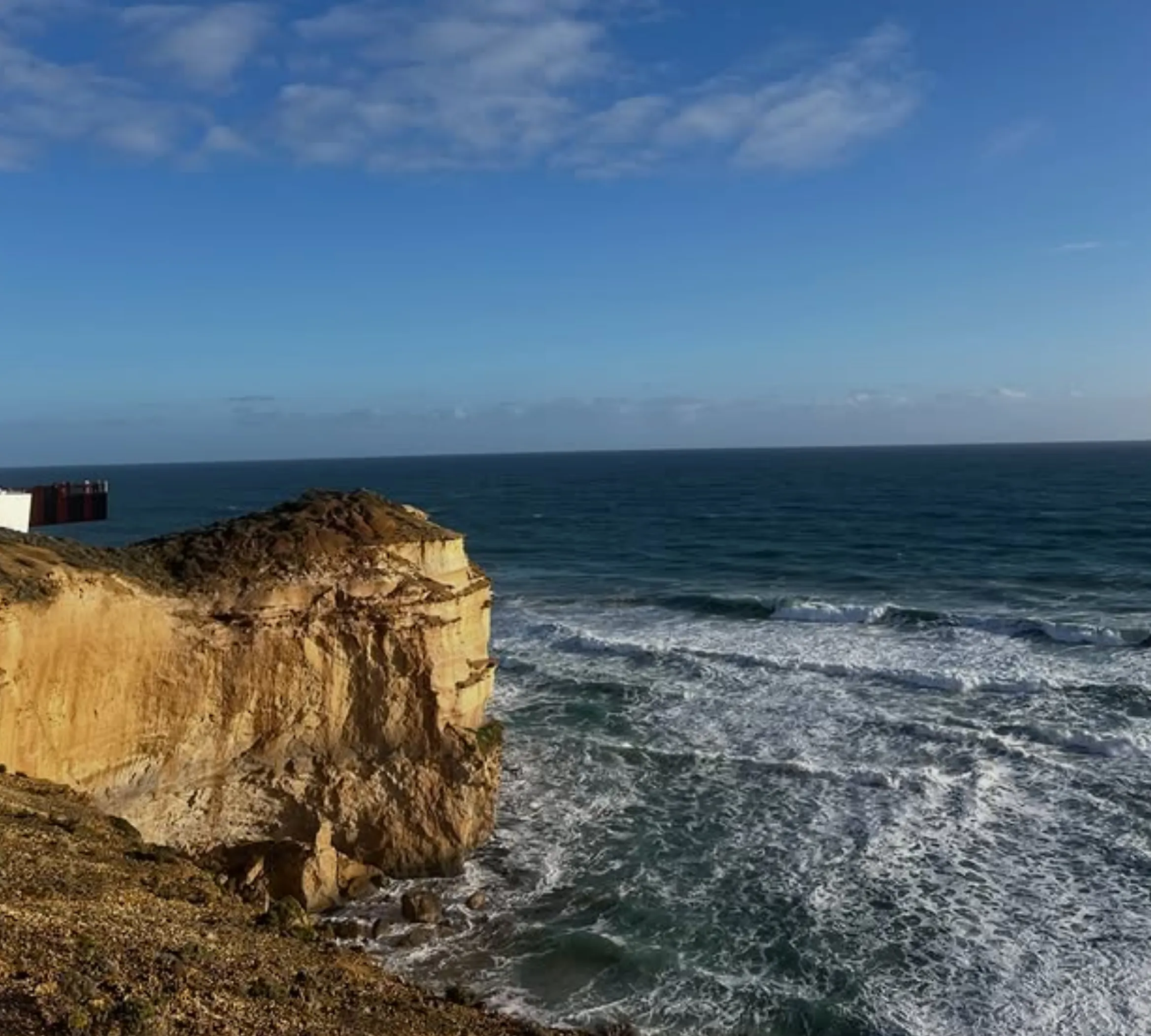
Not every good thing needs to be captured by a camera.
When You Just Have To Let The Drive Flow
This bit between Lorne and Apollo Bay is all about the journey. One side’s a dense forest, the other’s open water. You need to stop, but when you do, you have to let the road unwind and see where it takes you. I plan to stop once, and then let the road just flow towards Apollo Bay.
The Great Ocean Walk: Better Experienced Than Shot
The short bits of the Great Ocean Walk between the viewpoints? You know what? Just stop trying to capture them and take them in-house. You’ll see more wildlife tours, hear the surf crashing below, and notice the little details that no camera can quite capture.
Gear, Settings, And No Bull – You Need Less Than You Think. You don’t need to load up the back of a ute with all your gear. Control and restraint are what you need.
- Aperture Priority is a winner in changing light conditions
- Only use your ND filters sparingly for those super-long exposures
- A moderate shutter speed will see you through most windy days
- Panoramic software will stitch those cliff lines together like a charm
- Panoramic film cameras can be a hoot, but they’re slow – so plan your stops
Here’s a rough guide on how I plan my days…
| Location | Best Time | Shoot Or Look | Notes |
|---|---|---|---|
| Bells Beach | Morning | Shoot | Clean light, less wind |
| Twelve Apostles | Early / Late | Shoot | Avoid midday crowds |
| Loch Ard Gorge | Morning | Shoot | Soft cliff light |
| Apollo Bay Foreshore | Midday | Look | Flat light, good break |
| Bay Of Islands | Late Day | Shoot | Fewer people |
Parks Victoria‘s numbers show that peak visitor numbers often occur late morning and mid-afternoon around Port Campbell, which just happens to be the exact time when the light is at its most unforgiving.
Weather, Access, And Safety Reality Checks
You’re playing with the Southern Ocean here – no messing about with a coast this wild. Swell, wind and cloud control everything, so make sure you check the weather, don’t push your luck over barriers, and don’t blindly rely on map coordinates from a Google Map pin – that’s just not going to cut it.
If you want to have a decent chance of getting where you need to go on time, a guided tour or some local expertise can help reduce the guesswork – especially if you’re after a specific shot or you’re planning a helicopter ride to get the perfect angle.
Beyond The Coast: Linking It All Together
People often try to cram this bit of the trip onto The Grampians or loop inland via Gellibrand Lower – but don’t rush it, it’s not worth feeling rushed, whether you’re trying to take some decent photos or just enjoying the ride.
Lots of people compare this coast to New Zealand, but the energy here is different; this place is rougher, older and less forgiving – that’s what makes it so special.
My Rule After Years On The Road
One good shoot per day; anything else is a bonus. That’s also how Wildlife Tours Australia runs its Great Ocean Road tour 2 days to experience it, with fewer stops, better timing, and less stress. That leaves time for a nice dinner in Port Fairy, some quiet moments in Port Campbell and the kind of grub you actually have time to enjoy rather than racing against the clock.
The Takeaway
The Great Ocean Road likes it when you strike a balance between curiosity and restraint – knowing when to look and when to shoot is what turns a crowded coastal drive into a worthwhile experience, where the memories are more important than getting the perfect shot.
Do you always find there’s somewhere you just have to put the camera away for a bit? I’d love to hear about it
FAQ
Is a helicopter ride worth it?
It’s not a bad option for getting a sense of scale, but it’s weather-dependent and not essential.
Do I really need ND filters?
If you’re planning on taking long exposures, then yes – but don’t just carry them because you saw someone else posting about them on Instagram.
Are drones allowed?
Check the local rules – most places have restrictions.
Is inland any better in bad weather?
Yes, waterfalls and forests perform much better in cloudy conditions than cliffs.
Can I do this trip in one day?
You can try, but it makes a lot more sense to take a few days – it gives the road room to breathe.